
Did you know…..
- Scorpions glow under UV light – Arizona bark scorpions, the most venomous in North America, have an eerie blue-green glow under blacklight, making them easier to spot at night.
- Arizona has over 50 species of mosquitoes – Some can carry West Nile Virus and St. Louis encephalitis, posing a health risk to residents.
- Termites cause millions in damage annually – Subterranean termites are active year-round in Arizona, silently chewing through wood and causing costly structural damage.
- Black widow spiders thrive in Arizona – These venomous spiders prefer dark, sheltered spots like garages, sheds, and outdoor furniture, and their bite can cause severe reactions.
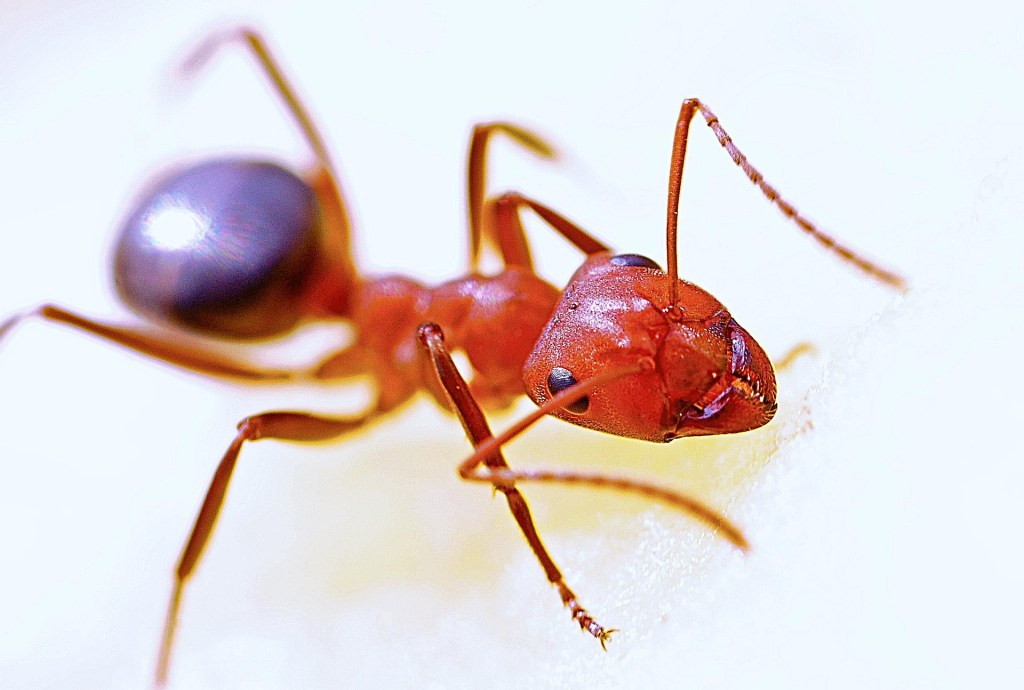
- Fire ants are aggressive and sting in groups – These invasive pests are highly territorial and can deliver painful, burning stings that lead to allergic reactions in some people.
- Palo Verde beetles are massive but harmless – Growing up to 4 inches long, these beetles may look intimidating but are not dangerous—though they can give a strong pinch if handled.
- Kissing bugs can transmit disease – Found in Arizona, these bloodsucking insects can carry Chagas disease, a potentially serious illness affecting the heart.
- Arizona cockroaches can fly – The American and smoky brown cockroaches are large, airborne invaders that love moisture and can sneak into homes through drains and cracks.
- Tarantulas in Arizona are docile but intimidating – These large, hairy spiders look scary but are non-aggressive and rarely bite unless provoked.
- House centipedes are surprisingly helpful – Though unsettling, these fast-moving insects help control cockroach, spider, and termite populations.
- Desert recluse spiders are often mistaken for brown recluse – Arizona is home to the desert recluse, whose bite can cause skin necrosis, but they are less aggressive than their brown recluse cousins.
- Earwigs do not crawl into ears – Despite myths, these harmless insects are more interested in gardens and decaying plant matter than sneaking into your ear.
- Arizona is home to the giant desert centipede – This large, venomous centipede can grow over 8 inches long and delivers a painful bite similar to a bee sting.
- Cicadas create the soundtrack of Arizona summers – These loud insects emerge in droves each summer, with males producing a buzzing sound that can reach 100 decibels.
- Silverfish thrive in Arizona homes – These moisture-seeking insects love warm, dark places like attics, kitchens, and bathrooms, feeding on books, wallpaper, and clothing.
- Stink bugs release a foul odor when disturbed – Common in Arizona gardens, these bugs protect themselves with a defensive smell that lingers when crushed.
- Wolf spiders are fast hunters – Unlike web-building spiders, wolf spiders actively hunt their prey at night and can run up to 2 feet per second.
- Boxelder bugs invade homes in cooler months – These black-and-red insects seek warmth in homes and buildings, often clustering around windows and walls.
- Western subterranean termites are Arizona’s silent destroyers – These termites live underground and enter homes through foundation cracks, often going unnoticed until major damage occurs.
- Arizona bees can be more aggressive – Many wild honeybee colonies in Arizona have some Africanized genetics, making them more defensive than standard honeybees.
Want to protect your home or business from these pests? Outlaw Exterminating offers reliable, expert pest control services tailored to Arizona’s unique pest challenges. Contact us today for an inspection!

 Outlaw Exterminating